Automotive seals
Door seals, glass run channels and boot seals – high volumes, tight tolerances, often sponge rubber with a metal carrier and a flocked sliding surface.
Typical materials
- EPDM
- EPDM sponge
The product
Automotive seals have been TSM's focus since day one. Typical profiles combine dense and sponge EPDM, co-extruded together, and must be dimensionally accurate along their full length for assembly at the car maker.
Typical products
- Door seals (primary and secondary seals)
- Glass run channels and belt-line seals
- Boot and tailgate seals
- Roof frame and windscreen seals
- Edge protection and clamping profiles
What matters
- 01
Dimensional accuracy
Constant geometry along the line – the basis for automated assembly at the OEM.
- 02
Stable lips
Soft lips and sponge bulbs must be fixed immediately after the die.
- 03
Sliding surface
Glass run channels need flocking so the window moves easily and quietly.
The line
These TSM systems are typically used – in production order:
- 01
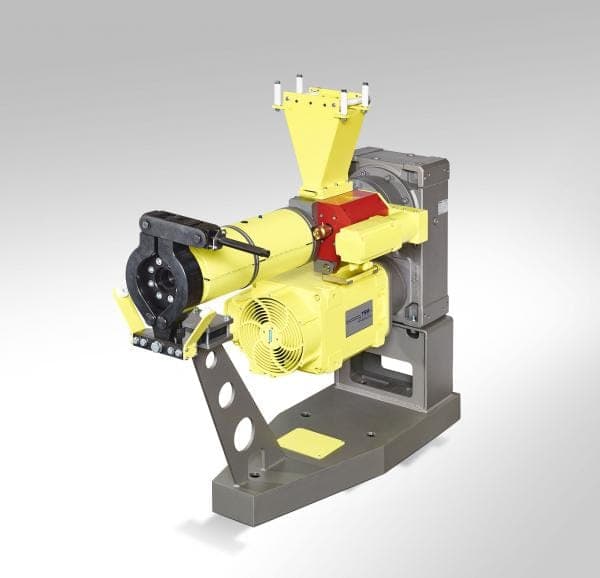 ExtrudersCo-extrusion of dense and sponge rubber, with metal reinforcement if required.
- 02
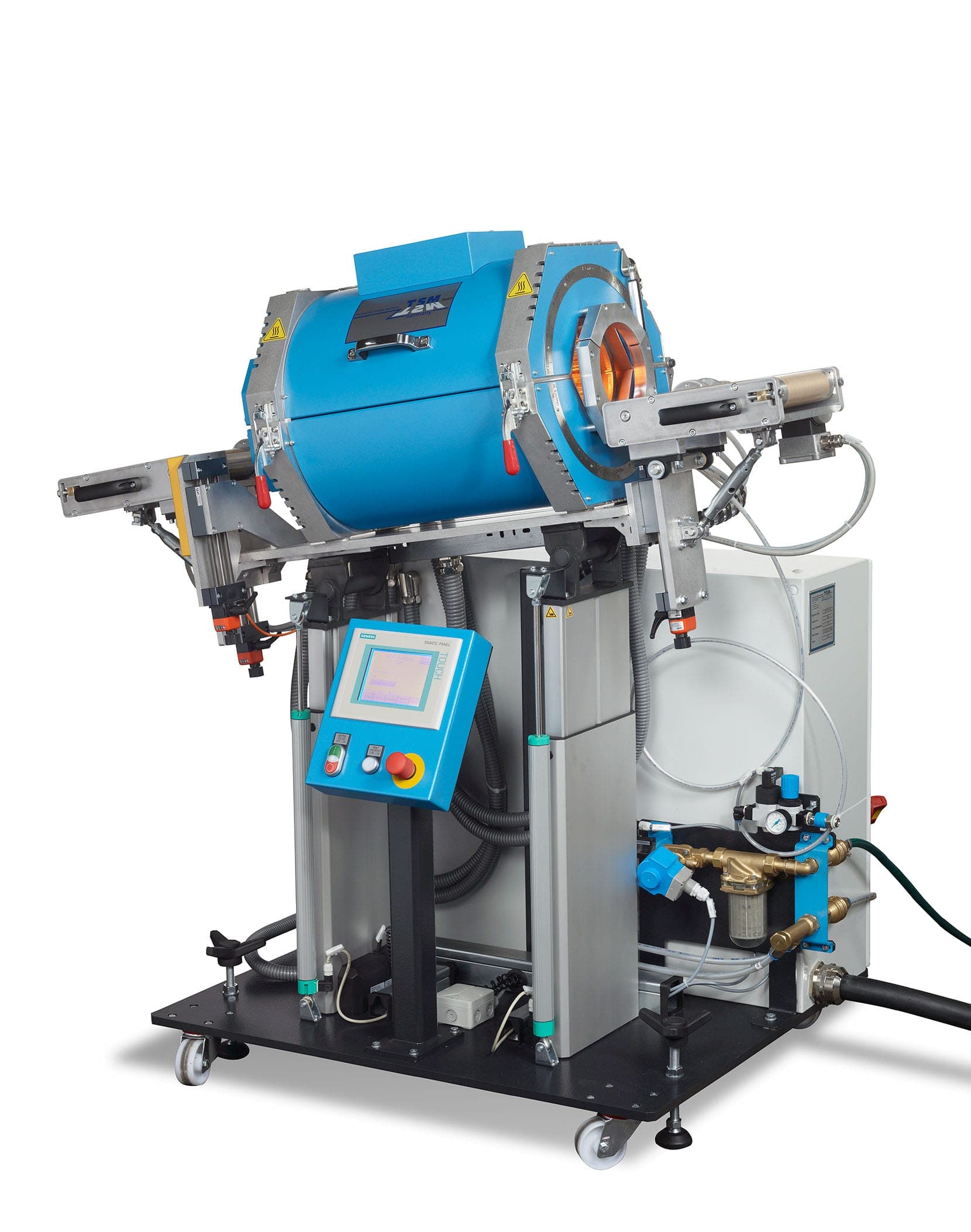 Infrared Systems360° shock vulcanization: stable lips without support cords, better sponge surfaces.
- 03
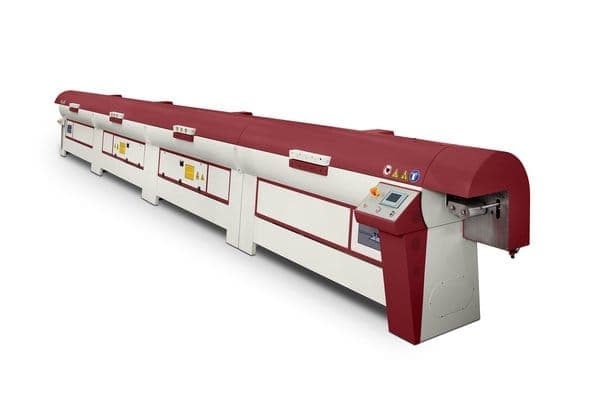 Microwave SystemsUHF heats the profile from the inside – efficient for thick cross-sections.
- 04
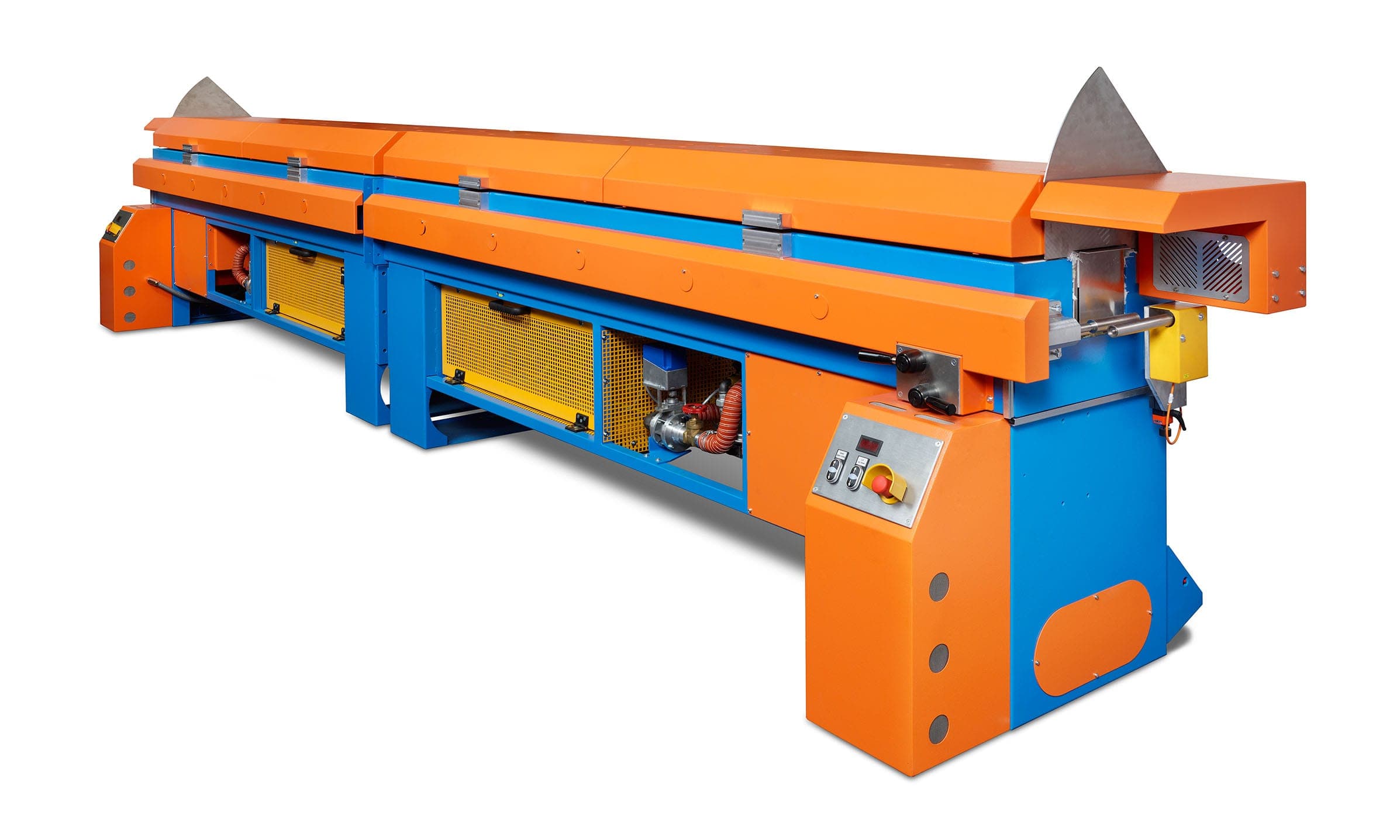 Hot Air SystemsShock channel and full cure in turbulent hot air.
- 05
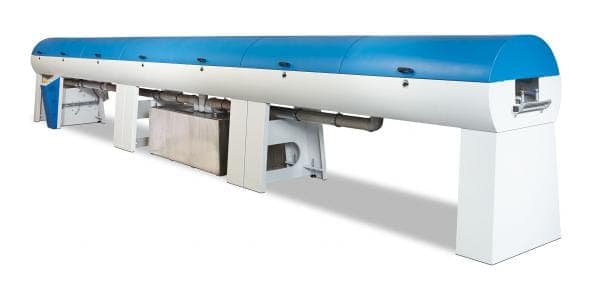 Cooling LinesCooling and drying right after vulcanization.
- 06
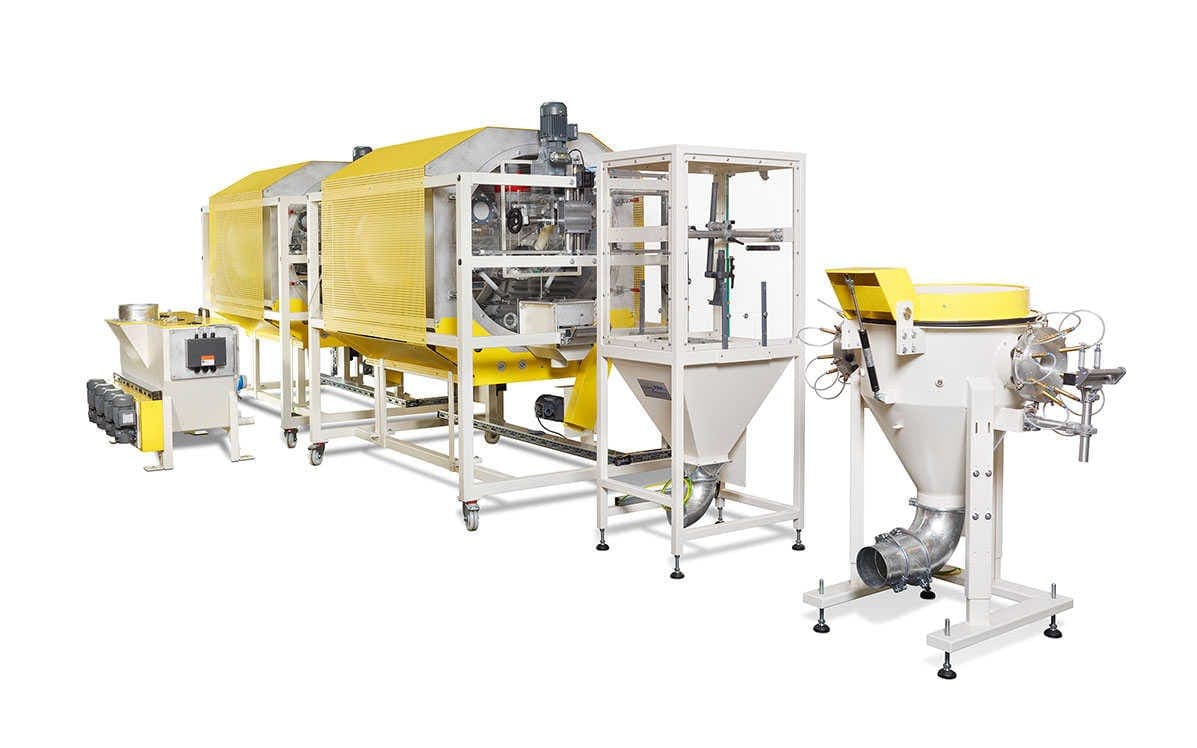 Flocking SystemsSliding flock for glass run channels, including flock drying.
- 07
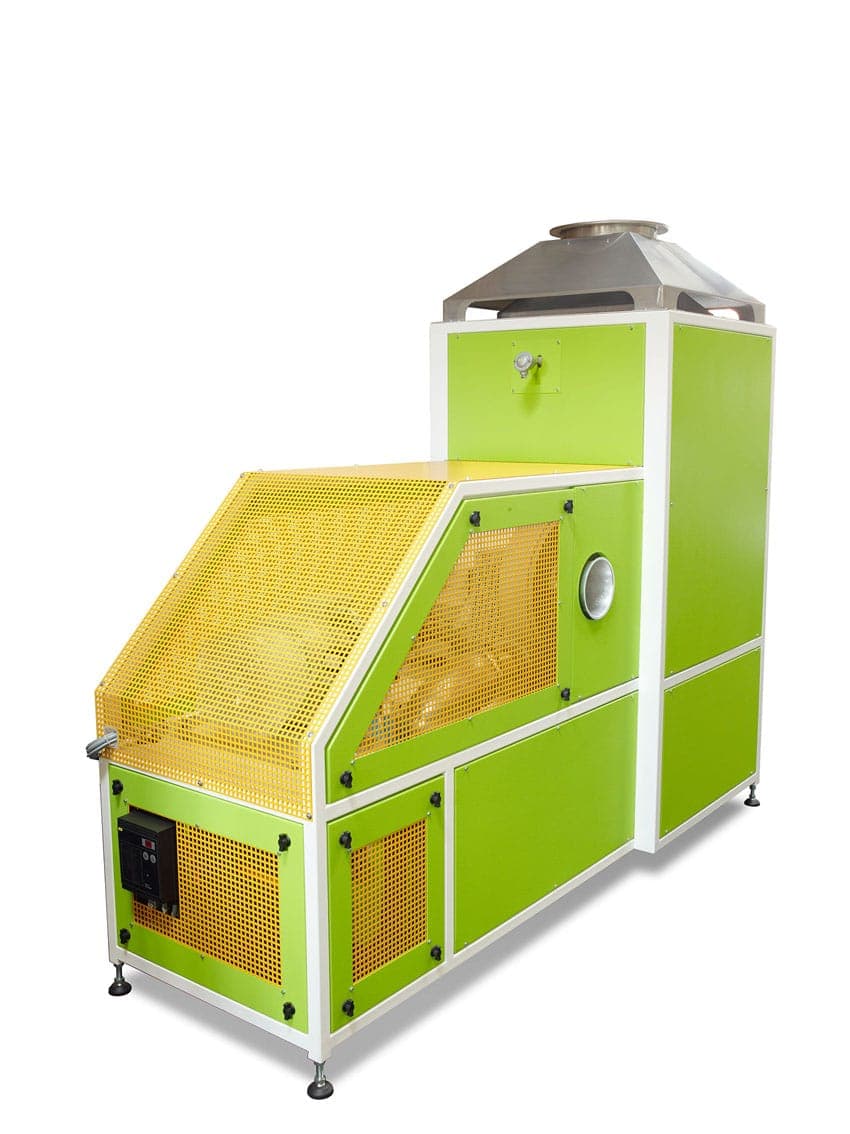 Exhaust Air CleaningCatalytic cleaning of vulcanization exhaust air.
The design always depends on your compound, profile and output – talk to us, including about a trial in our pilot plant.
We are here for you!
Send us your profile drawing, compound and required output for “Automotive seals” – we will propose the right line.